
Digital Management Declaration
As the digital transformation surged in the run-up to the 21st century, Samsung was presented with a perfect opportunity to disrupt the competition and rise to the forefront. In the analog era, Korea’s economy was dependent on sunset industries and its competitiveness was limited to fast production of cheaper products, often relying on technology transfers. In other words, the country was forced to accept a technology gap and being relegated to playing a game of catch-up.
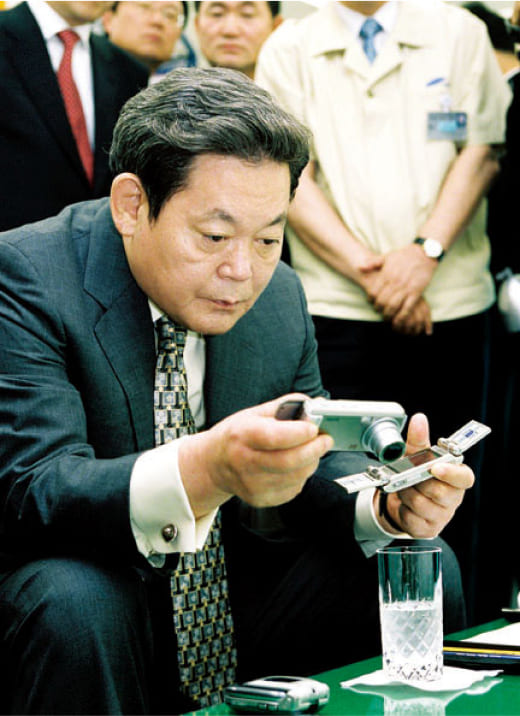
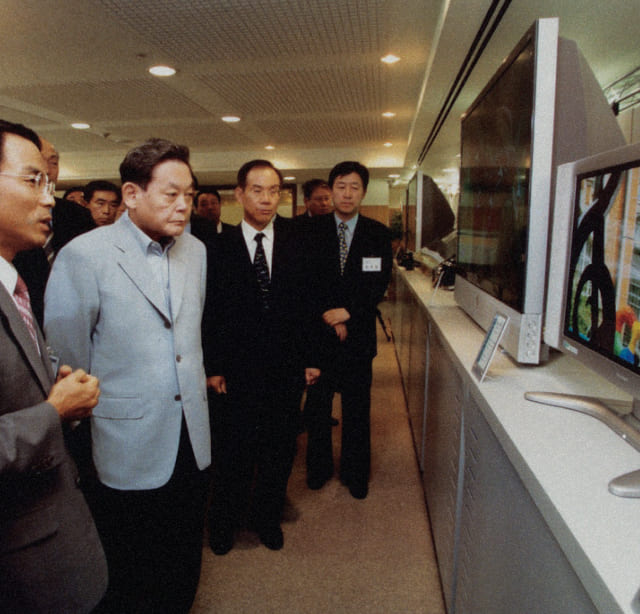
July 2002: New Digital Products Exhibition
The digital era changed everything, ushering in a fundamental shift in the rules of the game. Now, Korea faced uncharted territory with huge risks and even bigger opportunities, where winners and losers were constantly being redefined. The players who quickly read the landscape and acted fast would win.
When Lee Kun-hee made his Digital Management Declaration at the dawn of the new millennium, it was both a strategy built for the 21st century and a firm commitment to seizing the opportunity to lead the digital world.
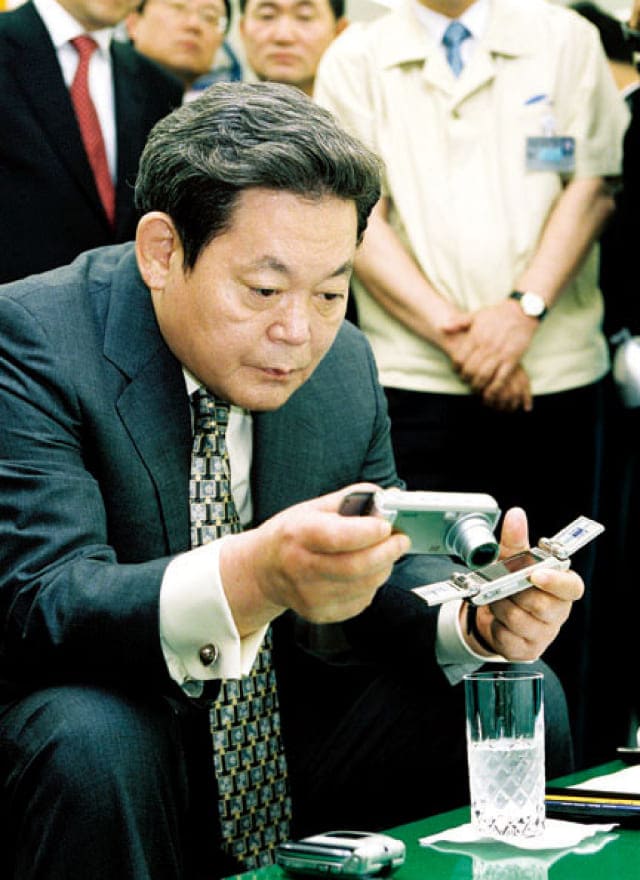
August 2003: Advanced Products Exhibition

As we face the beginning of the new millennium, I declare this year as the first year of Digital Management at Samsung. Let us be strongly resolved to make this a second New Management and a second restructuring. Let’s push forward with the digitalization of every aspect of our business, from the business structure to our management perspective, systems and organizational culture.
January 2000Under the New Management Declaration, Samsung gained expertise on how to innovate its business and shifted its investment focus to the digital sector. The outcome was an unprecedented success, with Samsung achieving record-breaking performance in memory chips, mobile phones, and TFT-LCDs. The initiative helped Samsung reposition itself as both a powerful digital innovator and a formidable competitor on the international stage.
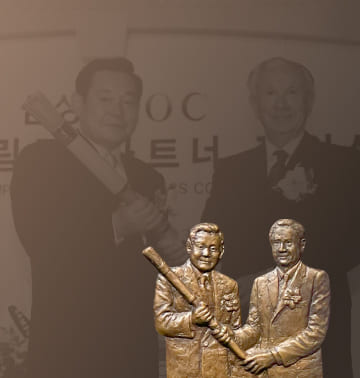
Worldwide Olympic Partner
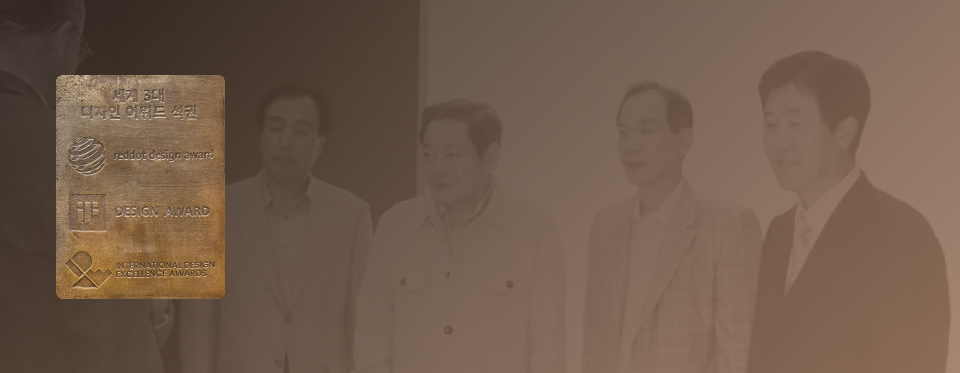
Design Revolution