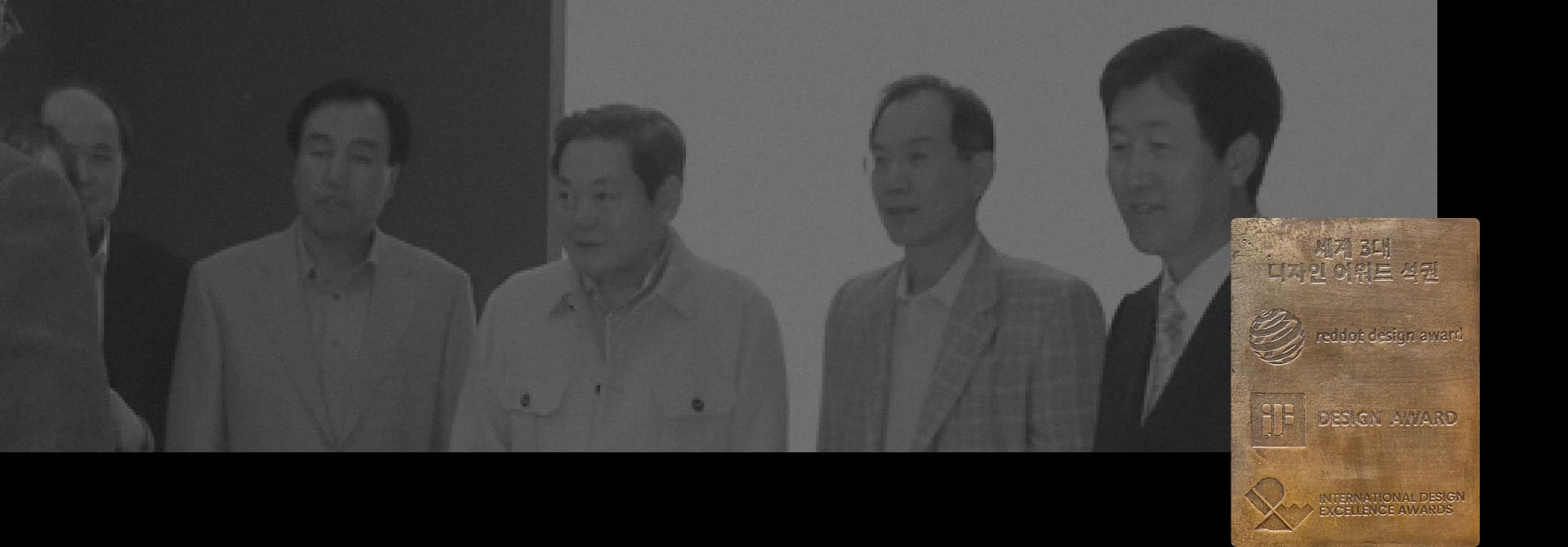
Slowly but surely, the move began to pay off. Samsung won its first International Design Excellence Awards (IDEA) in 1997, and went on to take first place for the most winning entries in 2001. By 2004, the company’s design prowess was clear, winning the most awards again that year and securing first place in cumulative wins over five years.
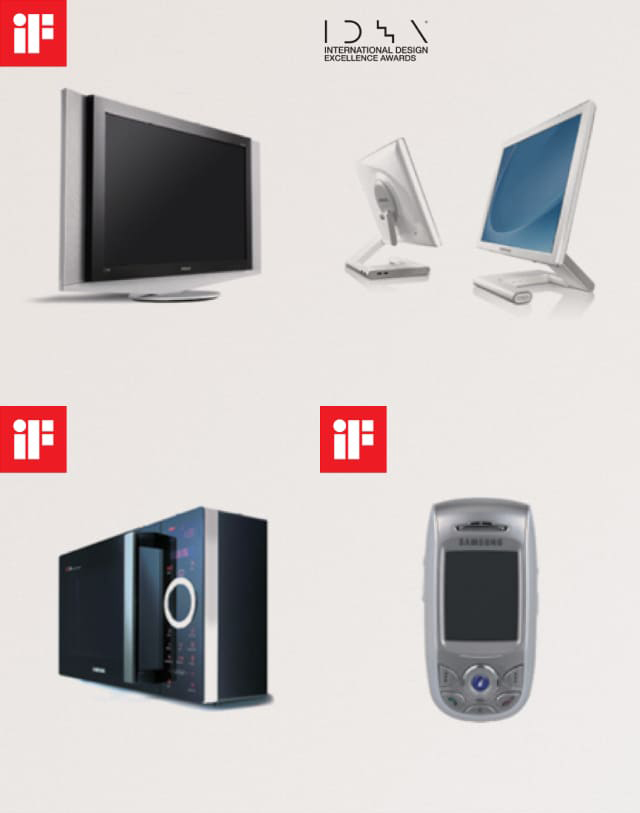
Samsung products won numerous global design awards in the 2000s, including iF and IDEA
Then in April 2005, Chairman Lee convened senior company leaders at a strategy meeting on design in Milan, a city globally renowned for its luxury and design industries. During the meeting, he reiterated his call to create top-notch products imbued with the Samsung spirit.
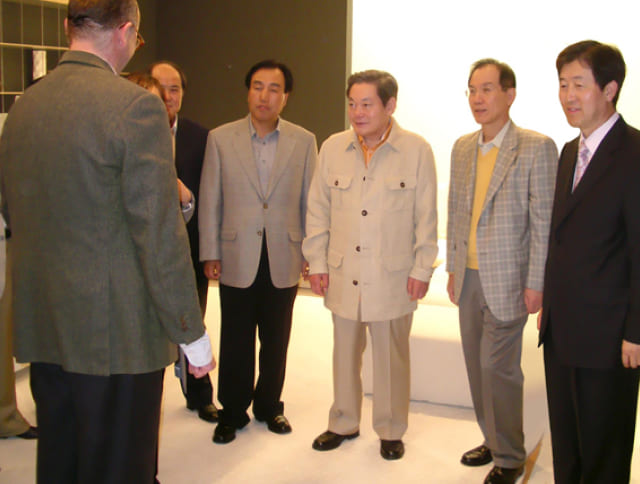
April 2005: Design Strategy Meeting in Milan
He also believed that despite Samsung’s success in entering the upper echelons of elite global companies, it needed to look beyond current benchmarks and set a new premium standard for its products. He was convinced that this new premium value could be derived from designs that are able to surpass pure functionality through their emotional appeal.
By building differentiated soft capabilities such as design, Samsung secured its global competitiveness and was able to launch category-leading products, one after another.